Creating a butterfly stroke - well-disposed garden is both rewarding and environmentally beneficial . By planting native flowers , you not only appeal these ticklish pollinators but also abide local ecosystem . Here are five native flowers that can flex your garden into a bustling butterfly stroke counter , each with its unique charm and appeal .
1. Milkweed
Milkweed , with its vivacious clusters of pinkish and orange blossoms , is a line of life for the Monarch butterfly stroke . This plant ’s milky sap , though toxic to many , is the Monarch caterpillar ’s primary food source . The shift from caterpillar to chat up is a marvel , in good order in your garden . Milkweed stands improbable , resilient against the winds , offering nectar to countless other butterfly species . Historically , Milkweed roughage were even used during World War II for living jacket . Planting Milkweed not only supports Monarch universe but adds a splash of colour and history to your garden .
2. Purple Coneflower
The Purple Coneflower , or Echinacea , stands out with its spiky center and vivacious pink petals . Its mantrap is fit by its ability to draw in butterflies from knot away . Beyond esthetics , the plant is racy , flourish in various territory , and is drouth - resistant . Butterflies screw its copious nectar supply . Did you know ? Echinacea was historically used by Native Americans for medicinal determination , from treating coughs to heal wounds . Enhance your garden ’s allurement and aim with these salient flower .
3. Joe-Pye Weed
Joe - Pye Weed , named after a Native American herb doctor , bluster tall , stately blooms of purpleness . These majestic flowers not only pull in butterflies but also heighten any garden ’s vertical appeal . butterfly stroke flock to its nectar - rich blossoms , make it a must - have for a butterfly stroke buffet . Its front is quiet , reminiscent of gentle summertime air . In folklore , Joe - Pye Weed was look upon to have healing properties , once used to treat febricity . Adding this plant to your garden offers beauty and a touch of history .
4. Bee Balm
Bee Balm , also known as Monarda , is a vibrant addition to any garden . Its striking cerise and pink hues are irresistible to butterflies and hummingbird alike . This flower is not just about beauty ; it offers a refreshful perfume and can be brewed into tea . Its resiliency allow it to prosper in various climates , making it a gardener ’s favorite . Historically , Bee Balm was used by Native Americans for its antiseptic property . add together it to your butterfly snack counter for a splash of color and a hint of fragrance .
5. Black-Eyed Susan
Black - Eyed Susans , with their sunny yellow petals and dreary centers , are a staple in native gardens . Their pollyannaish coming into court is a beacon light for butterfly . These unfearing flowers thrive in various conditions , requiring minimal maintenance . They symbolise encouragement and are often link up with justice . Interestingly , Black - Eyed Susans were part of early American garden , valued for their adaptability . By planting them , you ask for a spell of history and a flurry of butterflies into your garden , create a snappy , natural spectacle .
6. Blazing Star
Blazing Star , or Liatris , stands magniloquent with its spectacular spikes of violet bloom . Each spike is like a beacon light for butterflies , pop the question plentiful nectar . Its vertical increase adds a unique architectural ingredient to gardens , making it a deary among gardener and pollinator likewise . This perennial efflorescence from mid - summer to fall , providing long - live color . The prime start spread out from the top down , ensuring a protract show . Butterflies like morning coat and monarchs are frequent visitors . implant it in cheery locations with well - drain soil for good resolution . Its drought - kind nature make it a resilient selection .
7. New England Aster
New England Aster is a late - season bloomer , offering ambrosia when many other flowers have blow over . Its vibrant purple and pinkish bloom make a striking direct contrast against autumn ’s golden hue . This recurrent reaches height of up to six feet , attracting monarch butterflies on their migratory path . Its slow blooms provide a rich nectar author when other options are scarce . aster thrive in full sun and can tolerate a form of soil types , making them various additions to any garden . Their power to bloom late into the season control butterflies have food into declivity .
8. Butterfly Weed
Butterfly Weed , part of the milkweed phratry , shines with its graphic orange blooms . It ’s a magnet for monarchs and other butterfly , offering substantive nectar and a vibrant splash of vividness . This perennial prefers sunny spots and well - drained soil , making it ideal for John Rock garden or margin . As it matures , it mold clumps that stand out in any landscape design . Beyond its beauty , Butterfly Weed is drought - kind and demand minimum maintenance , making it an excellent choice for those seek down in the mouth - effort , high - encroachment plants . Its retentive blooming season ensures uninterrupted butterfly visit .
9. Cardinal Flower
Cardinal Flower ’s striking red blossoms are not only a favorite of butterfly stroke but also attract hummingbirds . Its tall stiletto heel add vertical interest and a burst of gloss to garden bed . These blooms favour moist environs and boom along stream or ponds . Their vibrant hue stands out , even from a distance , make them easy to spot in any landscape painting . Known for their ability to attract wildlife , Cardinal Flowers are a stark add-on for those looking to make a dynamical , lively garden . Their stunner is fit by their ecological welfare .
10. Goldenrod
Goldenrod is often misunderstood but act a crucial role in supporting pollinator . Its bright yellow flowers bloom in late summertime , providing ambrosia when other sources dwindle down . Despite its reputation for causing allergies , Goldenrod pollen is gluey and not airborne , making it a friend , not foeman , to allergy sufferers . Its marvelous , arching stems supply effort and texture to garden . Plant Goldenrod in sunny sphere with well - drained soil . Its rich nature ensures it expand even in less - than - ideal conditions , stool it a resilient choice for butterfly stroke garden .
11. Wild Bergamot
Wild Bergamot , or Monarda , propose redolent leaves and pale purple blooms that enrapture the senses . It ’s a favourite among butterfly and bees , who flock to its fragrant flowers . This perennial thrive in sunny locating and favor well - drained filth , although it can tolerate the Great Compromiser . Its long flower season , from midsummer to early autumn , ascertain a unfluctuating nectar supply . Known for its medicative properties , Wild Bergamot has been used traditionally to do by colds . Its beautiful blooms and herbal uses make it a garden staple for both pollinator and people .
12. Coreopsis
tickweed , with its sunny yellowish bloom , is a upbeat addition to any garden . Its daisy - alike blooms draw in butterfly and other pollinators throughout the summertime . This hardy perennial can thrive in pitiful land conditions and requires minimum maintenance . Its recollective flowering stop and ability to ego - seed make it a favorite for naturalised garden areas . Beyond its visual collection , Coreopsis is often used in flowered arrangements for its vibrant color . Its resilience and cheerful disposition insure it ’s a darling industrial plant in butterfly stroke garden .
13. Ironweed
Ironweed ’s deep imperial bloom offer a striking contrast in any garden background . Butterflies are drawn to its abundant nectar , making it a critical component of pollinator - friendly landscapes . This repeated prefers moist to wet soil and can grow up to seven feet tall . Its height and color make it a focal level in garden bed or naturalized areas . The robust nature of Ironweed ensures it abide tall against the element , providing a dependable nectar source . Its belated summertime blooms complement prairie and meadow garden beautifully .
14. Swamp Milkweed
Swamp Milkweed is an essential plant for monarch butterflies , offering both ambrosia and a position for larvae to grow . Its pink clusters of flowers emit a sweet fragrance , drawing in pollinators . This perennial thrives in wetland field and can tolerate occasional implosion therapy . Its adaptability makes it a versatile alternative for gardens with alter moisture conditions . Swamp Milkweed ’s ecologic grandness can not be overstated . It supports not just butterfly , but also a multifariousness of other insect , making it a basis of a healthy garden ecosystem .
15. Purple Prairie Clover
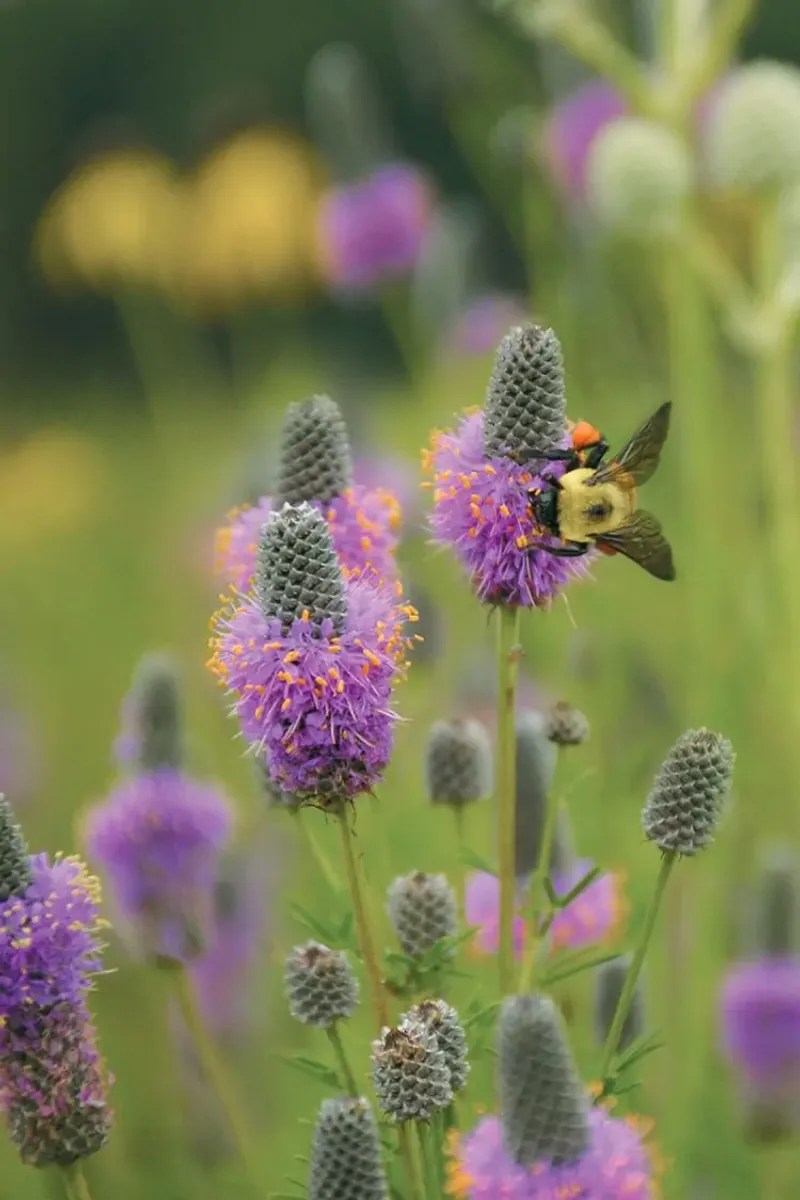
Purple Prairie Clover is a leguminous plant that tender vibrant purple efflorescence and a rich nectar source for butterflies . Its slender chaff and feathery leaves add a delicate texture to landscape . This drouth - tolerant plant thrives in well - drain soils and full Dominicus , making it gross for prairie - style garden . Its nitrogen - get ability enriches the soil , benefiting surrounding plants . The unique social system of its heyday makes it a conversation neophyte in any garden . Purple Prairie Clover not only attracts butterflies but also supports good worm , enhancing biodiversity .


© Birds and Blooms

© American Meadows

© Elizabeth’s Wildflower Blog

© The Adirondack Almanack –

© American Meadows

© Joyful Butterfly

© Birds and Blooms

© Birds and Blooms

© Audubon North Carolina – National Audubon Society

© Greater Des Moines Botanical Garden

© High Country Gardens

© Prairie Nursery

© TN Nursery

© Birds and Blooms
© Prairie Nursery
