Yuccaspp.
During summer in East Los Angeles , California , you ’ll see yucca blooming in masses ’s garden and various sac of the landscape . It ’s refreshing to see their blooms when other flowers have faded in the hot atmospheric condition .
We link to vendors to help you come up relevant product . If you buy from one of our link , we may clear a committee .
Thanks to their drought tolerance , these plant make the everlasting addition to dispirited - upkeep gardens design to stand water conservation .

Photo by Kat Sanchez.
These slow - grow succulent perennial are easy to care for , and various various and impressive species are available to home nurseryman . They range in size of it from shrubs to tree and many types can be grown in containers .
Continue reading to learn everything you need to fuck about growing yucca , admit several recommended extract to grow at dwelling . Here ’s what ’s ahead :
What You’ll Learn
Cultivation and History
There are 51 acceptedYuccaspecies that belong to the Asparagaceae family . These are member of the subfamily Agavoideae , the same family asAgave .
aboriginal to North America , Central America , and Bermuda , this resilient perennial has an encompassing range of a function .
Most are suit for cultivation inUSDA Hardiness Zones5 to 11 , while a few can outlive cold winters beyond that kitchen range . All species generally boom in warm climate and well - drained soil .
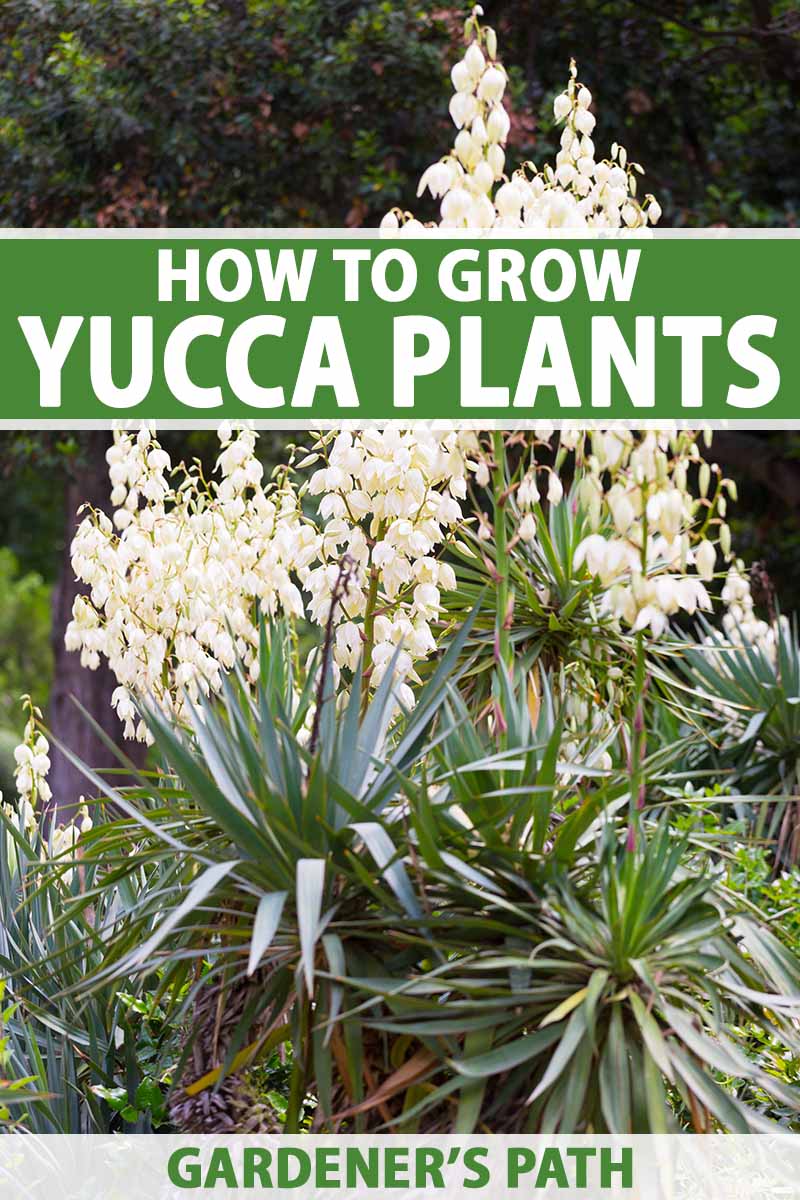
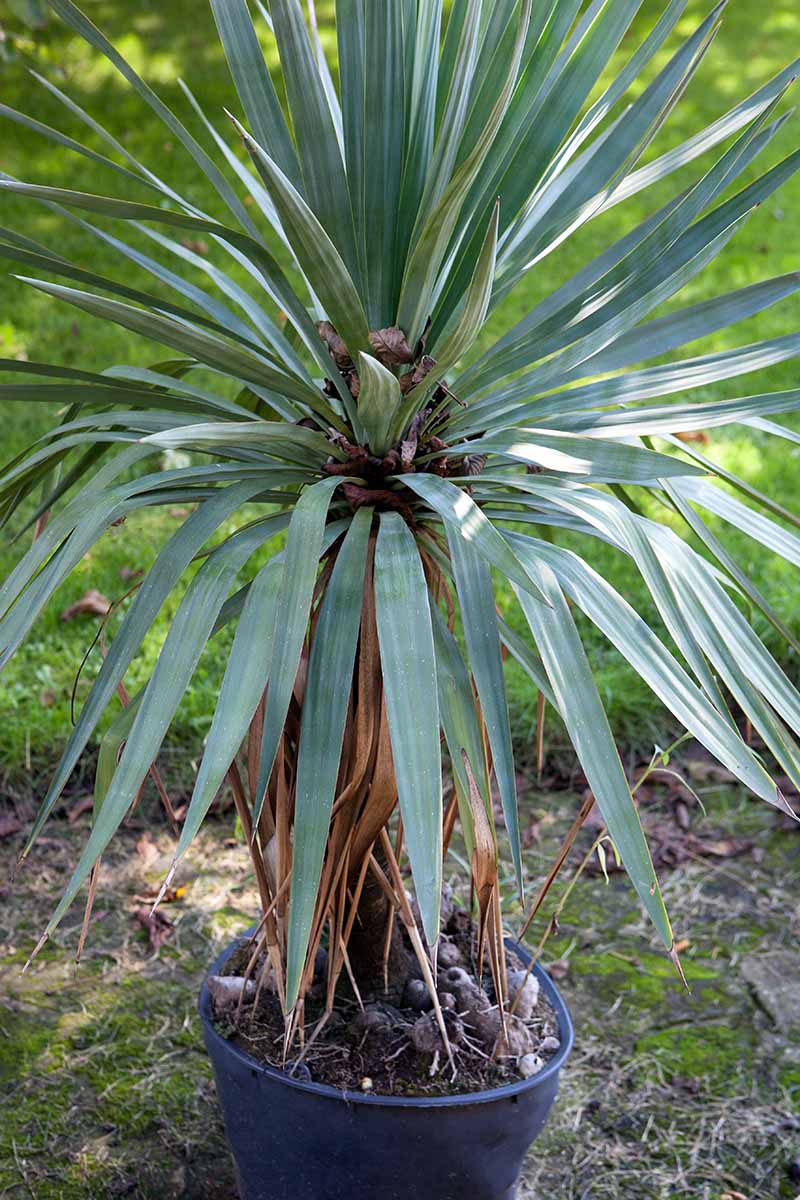
Some yucca resemble Tree , while others look more like shrubs . Their acute and spine - tipped leaves farm in stem canker pattern at ground level or on stalks which are sometimes called canes .
Their foliage color ranges from green to bluish green , with a few cultivars having variegated leave that are scandalmongering and green .
Allyucca flowersare bell - shaped and flower during fountain and summertime , emerging from buds that form on top of long blossom still hunt .

The flowers are usually ointment - colored to white , and some have undertone of purple . The height of the flower still hunt depend on the species – these can sometimes strain over nine feet tall .
Grown outside , yuccas can go for genesis . Their height graze from two to over 30 feet tall , bet on the species .
They are appreciate as architectural plants in the landscape painting industry , used to bestow striking accents . Thanks to this practice , we can observe them growing in the natural state as well as in various city spaces .

Several related lookalikes and sure species that have lately been reclassify into their own genus are normally referred to as “ yucca . ” When at a works nursery , look for the botanical name , not just the common name , to correctly key them .
In the wild , another plant they can sometimes be false for is agave . The easiest way of life to evidence them aside is by the width of their leaves . Agave has broader leaves , sometimes with spindle along the edges , while yucca has minute leaves without spikes .
For extra lucidity , yucca is not the same as yuca . Yuca write with one “ c ” is commonly call cassava in English , and is know for its eatable antecedent that is sometimes processed and used to make gluten - complimentary flour .

The relationship between some mintage ofTegeticulaorParategeticulamoths with particular mintage of yucca is a classic case of coevolution . In fact , their trammel gave these insects their vernacular name , yucca moth .
Through what ecologists call obligate symbiosis , these moths have a longstanding relationship with the works , and work as their only pollinators . The moths pollenate the bloom while pose their ball , and the larvae feed exclusively on yucca seminal fluid .
Over sentence , this moderate the yucca to lose their nectar , and yuccas cultivated in regions where these specialized moth do not survive today have to be manus - pollinated for produce seed .

Yuccas are utilized by members of Indigenous cultures in various ways .
The flowers , gullible pods , cum , and rootsare bask as food , and the leave are used as a topical first aid therapeutic , and can be pound down into useable fibre . In addition , the root word is used to make a soapy pith used in ceremonies .
bear on native species of yucca is not only essential to the perennial ’s surround ecosystem but also to conserving Indigenous foodways and acculturation .

Currently , several yucca species are protect by the commonwealth where they grow wild , principally because of the threat of home ground destruction and , for some , because of their limited growing range of mountains .
Y. capensis , an indigenous aboriginal species from Baja California , is view peril for these intellect . Y. queretaroensis , another coinage endemic to Mexico , is also regarded as endangered .
This rarified plant life is restricted from outside trade as it is heel under theConvention on International Trade in Endangered Species of Wild Fauna and Flora Appendix II , which documents species that may become nonextant unless trade is purely regularise .
There are several other yuccas that have their own tale to enjoin , which makes them such an intriguing metal money to learn about and cultivate .
Propagation
The fast and most beneficial way to produce more yucca plants is by rooting cuttings . upshot may motley when propagating from seed . assure that you have workable seeds useable before planting will avail increase germination rates .
From Seed
Spring is the expert time to sow seeds outdoors . Hardy varieties can be sown in other bounce , and more tender varieties should be started later in the time of year when outdoor temperatures have reached 65 ° F .
off any seeds with hollow and discard them . pawn the ease in H2O overnight before implant . If any seeded player blow to the top , remove them as they are not likely to sprout .
Plants produced from seeds sow in outdoors are more resilient to weather fluctuation , since they have been expose to local conditions . Seeds can also be started indoors .

Sow seeds just below the control surface of the soil spaced two to five foundation apart , bet on the metal money . Keep the growing area lightly moist until you observe sign of sprouting , which should take about three to four weeks .
Water seedling once a calendar week , or more often in the absence of pelting , to aid them become established .
When sowing seminal fluid indoors , temperatures must be between 65 and 75 ° F . Fill four - in kitty with a dampish seed - starting mix suitable for succulents or cacti .

Sow seeds just below the stain ’s aerofoil and place them near a burnished window orunder grow lights . Keep the grunge slightly dampish but not oversaturated , as this can chair to decompose .
Seedlings started indoors can gain from staying in a suitable container for about two old age , since they can be susceptible to hurt in utmost weather conditions .
regain more tips on growing from source here .

From Cuttings
Yucca can be disperse relatively easily from cutting , and stem cuttings can be taken from spring into summer .
Take a cutting at least six column inch in length or up to one foot . Remove the bottommost leaves while pass on a few entire at the tip , and countenance the cut end juiceless and callosity over . This should take about two mean solar day .
Bury it halfway in a half - gallon container filled with cactus or succulent potting mix with the cut end facing downwards . Place the container where it can meet collateral sunshine . rootage should grow in three to four week .

H2O soundly and then ensure the growing medium stay slightly dampish without becoming overly saturated , which can rot the cutting . root will develop in about four hebdomad .
While your rooted yucca cutting matures , place it in a strong locating with bright light and provide water weekly . admit the top column inch of land to dry out out between watering .
In approximately 12 month , your new yucca plant will be quick for transplant as described below .

From Divisions
Because yucca will produce offsets , you’re able to easily divide and propagate them in spring . But if you inhabit in an region that experiences mild wintertime and intense summertime heat undulation , it ’s best to divide them in fall .
That will give them the winter and spring to establish a full-bodied root organisation .
It ’s a good idea to divide yucca plants when the runner are still belittled . As they grow great , more effectiveness will be ask to separate them .

Use a sharp shovel to carefully dig down between the female parent works and the first , issue through the theme that connect the whelp to the plant . grind up the offset along with its root system .
Be thrifty and wear gloves and long sleeve . Using protective gear when go yucca plants can save you from being punctured by their spiny - tipped leaf .
Transplant the baby yuccas as account below in an country where they will receive full sun .

you could also split your improbable plants in two if you care by topping or thin the stem in half , and transplant the division into an appropriately - sized container to take root .
The bottom part of the plant will shoot unexampled growth from the cut . Place the track section into a container filled with a potting mix for succulents or cacti , and weewee in well .
As the division may be top - toilsome , you ’ll demand to place a stakes into the pot to aid it to remain vertical while it roots . shoes in a sheltered stain off from wind that may knock it over .

beginning should make in about a month , and the naval division can be transplanted as hash out below .
Learn more about propagating yucca plants here .
Transplanting
If you live in a temperate field , seedling may be transfer to their permanent localization outdoors eight to 10 weeks after germination .
Keep in psyche that because yuccas can spread via rhizomes and have strong trunks , it ’s best to implant them aside from build foundations . The superlative of some species can also pose a terror to cap structures .
It ’s salutary to transplant potted industrial plant and cuttings in the pin to allow ancestor to produce before the bright seasons encourage leaf growth .
Dig a hole the sizing of the root nut , place the plant there , then fill and track with the dirt you remove from the muddle . mildly chuck around the groundwork of the industrial plant and water deeply .
preserve to irrigate sparingly every two weeks until the plant is constitute , which can sometimes take up to a year .
If you started your semen indoors , keep your seedling inside until they have grown for at least two years , control they are potent enough to adapt to outdoor conditions .
Once nighttime - meter temperature stay systematically above 45 ° F , typically in springiness , you may transfer them into the ground or plant them in a larger tidy sum if you plan to keep them in an outside container .
When planting your seedling into a container make indisputable you choose one with drainage holes that ’s large enough for the root system to get but not too self-aggrandising .
big pots that can hold more soil will also retain undue wet , which this succulent does not need .
Use a succulent and cacti ground mix that includes some sand or pebbles to support good drain . Place the plant in full sun and water only when the top two column inch of soil are wry , close to once every two weeks .
Read ourfull templet to transplant yuccafor more tips .
How to Grow
Unless note for your selected species , yuccas loosely grow intimately in well - debilitate grease and full sun .
According to expert at theUniversity of Florida Cooperative Extension Service , observe a soil pH of 5.5 to 6.5 is good , while a pH above 6.5 can stimulate iron deficiencies . Whenplanting in native dirt , be sure to quiz it first .
Most succulents want little to no supplemental weewee once set up , and these coinage are no elision . Overwatering is a common practice session that should be avoid , as it can promptly weaken their roots and lead to rot .
Potted plants can benefit from minimum monthly fecundation during the warm seasons . They cangrow happily for years in containersand should only be repotted when necessary .
Because some mintage have sharp point at the last of their leaves that can poke passersby , planting them forth from pathways is helpful , or you may cut back off the pesky points if you bid .
Growing Tips
Pruning and Maintenance
The general maintenance of this succulent is minimum . You do n’t have toprune yucca , but it will help to keep their appearance tidy .
It also aid to know how to approach pruning with these plants so you’re able to deal their emergence whether they ’re planted in the primer coat or potted .
Once a yr , at any sentence during the raise season , remove any dead leaves and dress off leafage that begin to point downwards if you choose them not to have a “ skirt ” aspect .
After flowers have finish blooming and produced seminal fluid you may cut the efflorescence stalks down to help maintain the current height of the plant . Some of these can grow extremely marvellous .
If the blossom stalk ’s acme nonplus a risk of infection to existing structures like your roof , you’re able to cut back them down earlier . leave and flower stalks may becomposted .
If there are many offsets grow around your main flora you could divide and propagate them as draw above , to void overcrowding . This is particularly crucial if you need to maintain the current breadth of your yucca .
If you notice origin reaching through the Earth’s surface of a potted plant , it ’s time to repot .
Tohelp yuccas overwinterin area that experience frost , cut the stalks down to the ground in late fall . Then add a dense layer of mulch , about six inches , over the plant before the first Robert Frost . Your mulch can be made up of raked leave of absence and tear up barque .
Next , rank a charge plate or burlap masking over the mulch to add extra tribute . Secure the edge with stakes or heavy rock candy . Remove after the last frost of the season .
Species and Cultivars to Select
There are various mintage and cultivars to choose from that are ideal for several differentlandscape preferences . Here are just a few of the best excerption for household gardeners to uprise outdoors :
Color Guard
Y. filamentosais aboriginal to the southeastern United States . These plants grow in Zones 4 to 10 and delight full Lord’s Day or partial shade . Their mature breadth and height can reach four feet in either direction .
Y. filamentosa‘Color Guard ’ is tolerant of various climates , making this a extremely sought - after selection .
Ideal for xeriscaping , this cultivar add together a striking display of variegated foliation with chickenhearted - white center streaks .
‘ Color Guard ’
This salmagundi isavailable from My Perfect Plants .
Mojave
aboriginal to southern California , Y. schidigera , also known as izote de Ensenada in Spanish , can be found growing in wad chaparral , coastal sage bush , and in some areas of the desert .
This slow - grower can reach out over 10 feet tall as it ages , and older plant normally produce multiple branches with leaf rosettes .
An idealistic survival for those in Southern California that enjoy develop aboriginal plants and require to fill up a turgid infinite , Mojave yucca grows in USDA Hardiness Zones 9 to 10 .
Soapweed
aboriginal to North America , Y. glauca , also known as beargrass , can be found turn in dry plains and sandhills .
Its long - endure evergreen parting are about two feet long and narrow-minded , growing in all-embracing clumps about three to four foot wide . The eye - catching flower stalks can progress to up to five feet in height .
Soapweed yucca grows in USDA Hardiness Zones 3 to 10 . It can resist various short conditions but does not thrive in coastal surround .
seem for More selection ?
Be sure to hold back out our supplemental guide , “ 28 of the Best Yucca Varieties . ”
Managing Pests and Disease
These elusive succulent are susceptible to very few plague and diseases .
The unity mentioned below are not coarse event , but when they are present they should be managed quickly , so they do n’t spread and cause problem in the surround ecosystem .
Insects
Once you are cognisant of the potential presence of the few insect that are see as pests of these works , you should be able to manage them .
grow biodiverse plant coinage suited to your grow region will advance a balanced ecosystem that can practically manage itself .
These insects in the family family Pseudococcidae feed on plant juices and appear as whitened cotton plant - alike mint that can be found on the bottom of leaves .
They excrete honeydew that attract pismire . In summation , the honeydew produce idealistic conditions forsooty mold , an unsightly fungal growth .
Thankfully they can easily be sprayed off with a hose , just like aphid . show with a mealybug infestation in our template .
shell insects belong to the superfamilyCoccoidea . These panoplied louse are not as well-situated to check as mealy bug , their cousins , but can be managed with coating of neem vegetable oil .
They appear as spots on plants , and as they mature , they resemble small oval jut with a protective covering that looks like a shell . When there are a passel of them , they can harm plant growing . ordered series on yucca tend to direct the leave .
teach and controlling plate in our guide .
The yucca weevil , Scyphophorus yuccae , is primarily an issue in southerly California but can fall out throughout the state .
expert at theUniversity of California Statewide Integrated Pest Management Programaffirm that preventative measures are the only effective control for this weevil .
Be sure to supply plants with the optimal recommend rise condition and caution .
The grownup weevil is opprobrious , can develop up to three - quarters of an inch in distance , and has long , narrow mouthpart and a small elongated head . It has grooves on its wing covers and a smooth , fine puncture thorax .
The adults do not stimulate harmful damage to plants , but the larvae can . Adult feeding creates holes in the leaves and discoloration . The larvae are about an inch long and tip on ascendant and stems . big infestation can cause the plant to die .
If an infestation occurs , removing the total plant and disposing of it as gullible wasteland is best .
Disease
There are a few fungous diseases that can affect yuccas .
The main way to prevent them is by avoiding overwatering and never water the plants from above . Focusing on tearing at the soil line without splashing on the leaves is central !
The folio spots get byCercosporafungi are about a quartern of an inch in width and turn from rust - colored to brown .
Avoid watering foliation and transfer all affect leaves to keep spore from broadcast . alternatively of placing the farewell in your green waste , you could burn the infected works matter to control the spores break .
Brown Spot
Brown spots will seem on older leafage that are distinguishable by a purple mete , and as they age , they turn over black . This disease is have by theConiothyrium concentricumfungi and is also spread by splashing water .
Prevent brown spot by only lachrymation as needed at the soil contrast , and remove any infected plants as before long as you see them .
Arber Biofungicide
Fungal and bacterial plant diseases like this can all be command with this biofungicide by Arber that is available in 16 - ounce bottlesfrom Terrain .
In the former stage , this disease will display grey and browning of foliage tips and edges . Then the leaf will evolve lesion about three inch in diameter and fail . Gray folio spot is have by fungus in theCytosporagenus .
As with the other diseases described so far , this one is also pass around via moist conditions that are create by overhead tearing or body of water slosh onto foliage .
The force of this disease are most apparent on the bow of the plant . SoilborneSclerotium rolfsiifungi cause this disease . If your plants are infect , you will first notice livid fungal thread forming a buff shape , and orbitual lesions form as it progresses .
As with the other works disease mentioned here , eliminate the infected plant issue to keep spores from spreading .
Arber Bioprotectant
You could lend oneself a bio - protectant like this one by Arber that ’s available in 16 - ounce bottlesfrom Terrain .
This product uses an infusion of the giant knotweed plant ( Reynoutria sachalinensis ) , which helps to provide trade protection without using synthetic chemical .
When applied to the plant , it will begin to develop extra protein and compounds that roleplay as fungous and bacterial growth inhibitors .
Best Uses
These plant life are the optimal pick for xeriscaping and native industrial plant gardens . Including them in landscape painting with other drouth - patient of mintage will help save weewee .
Their blooms offer a subtle aroma that is enjoyable while also draw various pollinator , making them fitting for pollinator gardens .
Certain mixture are excellent to grow indoors as nearly unfailing houseplant .
Because of their height , set them together in rows creates astrong surety hedge , further enhanced by the spike - tilted leaves . Be sure to plant with caution in yards where young children and odd pets like to run .
Quick Reference Growing Guide
Stunning Succulents
Inviting a outstanding succulent like yucca to your garden or landscape painting is certain to be a winner ! Give these plants the correct environment , and they will flourish .
They are so various and look likable in outside containers too .
The many diverseness that are usable provide you with several options that give gardens more structure and add curbing appeal while saving pee .
Do you have a xeriscape garden with yucca growing as a primal feature article ? Have you see those amazing blooms ? Tell us all about it by commenting below , and sense detached to share your photo .
Did this guide spark your sake in invite moredrought - tolerant plants like succulent and cactihome ? Check out these articles next , which highlight a few more of our favorites :
Photos by Kat Sanchez © need the Experts , LLC . ALL RIGHTS RESERVED.See our TOSfor more item . Product photos via Terrain . Uncredited photos : Shutterstock .
About
Kat Sanchez
