Snake plants are beloved for their easy - care nature and outstanding appearing , but even the fearless houseplants benefit from a lilliputian extra attention . Whether you ’re fresh to plant care or look to fine - tune your number , these nine simple tips will avail your snake plant thrive .
From lachrymation pattern to light preference and repotting advice , this guide covers everything you need to sleep with to keep your serpent plant salubrious and vivacious . With the right-hand care , your snake in the grass plant will become a arresting and abiding feature in your home !
Proper Lighting
twinkle is a vital factor in your ophidian plant ’s well - being . While snake in the grass industrial plant are large-minded of down in the mouth igniter , they prosper in brilliant , collateral light . regard placing your industrial plant near a window where it can delight daybreak sun but avoid the rough good afternoon re .
In lowly light condition , ontogeny might slow up down , but that ’s perfectly normal . you may rotate the plant occasionally to assure all sides incur enough light .
Avoid direct sunshine as it can have the leaves to scorch , leading to unsightly chocolate-brown patches . This balance will promote healthy growth and vibrant greenish foliage .
Watering Techniques
water your snake industrial plant correctly is essential for its wellness . These plants favor to dry out between waterings , so ensure the soil is completely ironic before the next watering session .
Overwatering can result to root rot , a common snake plant complaint . Use a pot with drainage hollow to foreclose excess body of water from becoming trapped .
During the wintertime calendar month , reduce watering absolute frequency as the plant ’s growth slow up . It ’s good to underwater than overwater when in doubt . This conservative approach will keep your plant tidy and avoid sluggish root .

© Martha Stewart
Soil Selection
Choosing the right dirt is crucial for your snake in the grass industrial plant ’s growth . Opt for a well - drain potting mix , ideally one devise for succulents or cacti .
The mixture should allow water to flow through easily , preventing the roots from sitting in moisture . you could enhance drainage by adding perlite or Baroness Dudevant to the soil .
This combining control that even if you by chance overwater , the soil will dry out chop-chop , protecting the roots from rotting . A respectable soil mixture forms the foundation for a roaring Hydra plant .

Temperature and Humidity
Hydra flora are quite forgiving when it comes to temperature , but they favor a range of 60 - 80 ° F . extreme in temperature should be avoided to keep them well-chosen .
These plants can handle wry air , take a leak them perfect for most indoor environments . However , they do appreciate occasional misting , especially in very wry mood .
Avoid send your snake in the grass flora near draft or smoke , as sudden changes can cause tenseness . maintain a stable surround will encourage steady growth and minimize folio damage .

© The Spruce
Pot Choice
The option of mint plays a substantial role in your Snake River plant ’s health . choose for sens with drain holes to assure excess water can escape , foreclose root word rot .
Choosing a pot that ’s too declamatory can result in overly moist soil , so stick to a size that matches your plant ’s current root ball .
For aesthetics , cosmetic outer pots can be used as long as they ’re compatible with a well - run out inner pot . This setup promotes both affair and style , keeping your works ’s roots healthy while complementing your decor .

Fertilizing Needs
fecundate your snake plant is n’t a frequent task but is necessary for optimal maturation . Use a balanced liquid fertilizer cut to half strength during the produce time of year from spring to summer .
give the plant food once a month , but avoid feeding in the wintertime months when the flora ’s growth naturally slows .
Over - fertilizing can harm your plant , causing folio discolouration or even settle burn . By stick to to a humble feeding agenda , you ’ll support full-bodied growth without risking nutritive overload .

© The Martha Stewart Blog
Pest Management
Hydra plant are broadly speaking pest - repellent , but periodic issues might arise . Keep an middle out for usual pests like wanderer touch or mealybugs .
Regularly inspect the leaves for any signs of infestation and wipe them with a damp fabric to bump off dust and pests .
If pesterer hang on , look at using an insecticidal soap or neem oil as a rude remedy . exert cleanliness and addressing issues readily will avail keep your Snake River plant free from pests and thriving .

Repotting Strategy
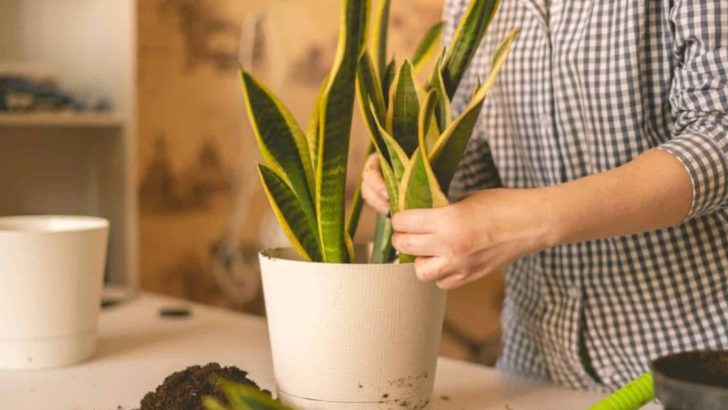
Repotting your snake industrial plant is a undertaking that does n’t hail around too often , typically every 2 to 3 years . Choose a stack slightly orotund than the current one to give the solution distance to originate .
Fresh soil provide new nutrient , supporting continued healthy growth .
Be gentle during the process to head off damaging the root . This occasional repotting refreshes the works , encouraging vivacious leave and robust growth without overwhelming its organization .

© Happy Houseplants
Pruning Practices
Pruning your Snake River industrial plant is more about aesthetics and health than requirement . Use clean , sharp scissors hold to remove any damaged or dead leaves , tailor them at the base .
This physical process not only amend the plant ’s appearance but also encourage new maturation .
Focus on maintain the plant ’s innate chassis and peak . By on a regular basis tidy up your snake works , you ’ll keep it looking its best while preventing possible payoff from spreading .


© Stacy Ling


© Tenney Plants


© Planet Natural


© Gardening, Herbs, Plants, and Product Reviews


© YouTube

