illustrious for its prolific harvests , zucchini is a beautiful and scrumptious veggie that ’s usually easily cultivate – but flower - end putrefaction can chop-chop turn your zucchini dreams into disappointments !
We link to vendors to help oneself you find relevant ware . If you buy from one of our links , we may earn a military commission .
flower - oddment putrefaction is a disorder typified by yield that mince and decay on the flush edge , first become yellow-bellied then browned and black-market as it progresses .

Thisailment is most often connect with growing love apple , but it ’s a coarse problem with eggplant , common pepper , and summertime squash as well .
The cause is a lack of calcium .
And counterintuitively , the solution is n’t to add more calcium to your ground because it probably has heap already .

No , the main culprit is piteous irrigation . This can be further complicated by overfertilizing and/or abuse of supplement , like Epsom salt .
Happily , this disorder is quickly solved with some basic maintenance , such as correcting the soil pH , proper fertilizing practice , and regular , cryptical watering .
So if you’reready for an abundant harvestthis year , let ’s dig into the movement and handling options for zucchini bloom - final stage rotting .

Here ’s what you ’ll encounter up ahead in this guide :
What You’ll Learn
Blossom-End Rot Basics
Blossom - end decomposition bug out as a deterioration in cell wall that makes the form above the blossom soft and discolored .
The scientific name , apical necrosis , say it all …
“ Apical ” bear on to an apex , or the heyday end . And “ necrosis ” means the localized death of living tissue paper .

As the rot progresses , the tissue paper die , starting with the lower two to four inches of the yield . It turns yellow-bellied , then dark-brown or black , and takes on a flabby , mushy grain .
Quite often , the remaining piece of an infected fruitlooksgood and you might be influence to trim out the bad to use the quietus . Unfortunately , the fragrancy , taste , and grain are often significantly diminished and affected composition should be discarded .
While throwing by your veggies is hard , the skillful news is that your plant can be saved and restore to produce levelheaded novel yield .

As mentioned , a lack of Ca is the cause of cell crack-up and it ’s unremarkably not due to stain deficiencies . The real problem is poor irrigation .
Here ’s how it plays out .
Water, Soil, and Calcium
Healthy grime contain the threeprimary plant life nutrients – nitrogen , morning star , and K – as well as significant secondary macronutrients including calcium , magnesium , and sulfur .
Calcium , as Ca pectate , is require for build cell wall in fruits . The Ca and pectin combining to take form table salt that keep the cell walls turgid , or sturdy and inflexible .
When Ca is deficient , new maturation at the tips of leave , roots , and shoot is negatively touch on , with visually manifest distortions in outgrowth .
Most soils naturally contain ample calcium , but for plants to benefit , it first postulate to be absorbed from the grime by the theme and transported to other plant life tissues via the xylem .
If the piss supplying is scarce or spotty , calcium ca n’t be drawn from the dirt , which results in mobile phone breakdown .
Because the peak edge is the furthest appendage from the roots , it ’s the last to get nourishing - laden water , and the first to suffer when it ’s wanting .

And due to zucchini ’s great beginning system of rules , with a generous taproot that grow as long as three feet , deep and unconstipated watering is crucial for healthy plant and fruit .
If you ’re unsure about the mineral piece of your soil , have your garden soil try out .
Should your soil be wanting , gypsum ( Ca sulfate ) or calcium chloride can be used to set up Ca levels without altering the soil ’s pH.

Fertilizing Needs
For the yield to receive adequate overall nutrition , it ’s crucial for plants to produce in productive soil with mickle of organic subject such ascompostor well - maturate manure .
After planting , feed with a balanced , all - intent recipe such as 10 - 10 - 10 NPK .
Avoid fertilizers with a high-pitched atomic number 7 capacity , which suppress the uptake of calcium and produces copious leaf but thin yield product .

Use a liquidity or weewee - base ware applied monthly during the mature season , or spread slow - release pellets at planting time and again in midsummer .
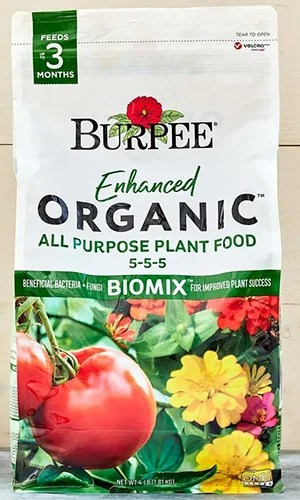
Burpee Enhanced Organic All - Purpose Plant Food
Burpee ’s Enhanced Organic All - Purpose Plant Food has a recipe of 5 - 5 - 5 NPK and lasts for up to three months . Four - pound bag areavailable from Burpee .

Also , avoid using product like Epsom common salt when planting – it does n’t cure blossom - end hogwash and may actually exacerbate it .
Epsom salts , or magnesium sulphate , contain no Ca , and excess amounts of magnesium in the soil also inhibits calcium uptake .
To discover out more about their feeding use , be sure to learn ourguide to inseminate courgette plants .
PH Levels
Zucchini grow well in organically ample , fertile soil with a somewhat acidic to slightly alkaline pH of 6.0 to 7.5 .
Use a dirt pH meter to determine if your land is acidulent or introductory .
If it ’s too acidic , or reads below 6.0 on your beat , dulcorate the stain withgarden burnt lime , also jazz as limestone or calcium carbonate .

It takes about three to five ounces of lime per square yard to bring up acid soil degree , calculate on the soil ’s piece and texture .
If the dirt is too alkalic ( basic ) or above 7.5 , work in garden sulfur before the planting time of year .
Soil Moisture , pH , and Light Meter

This 3 - in-1 meter can be used to chop-chop try pH and wet stage , and isavailable at Home Depot .
Water Requirements
maintain regular tearing and consistent stain wet is imperative for preventing bloom - end rot .
This is because water is the key to making nutrients like calcium available to the roots . And it ’s also need for the process of transporting them via the xylem to where they ’re needed .
courgette performs best in soil that ’s consistently dampish but not wet , and it necessitate to be well - draining . In overly wet or waterlogged soil , plant can build up other problems like root rot .

To get the lowdown on how to manage other common summertime squash rackets issues , check out this pathfinder totroubleshoot 11 possible courgette trouble .
If you need to improve your soil ’s drainage , raised bedsare a good option to keep water moving freely and they give sprawling plants plenty of elbow room to spread .
Or , at planting fourth dimension , you could commingle in a couple of shovelful of gritty material into your stain .
Materials such as landscape painting Amandine Aurore Lucie Dupin , pea plant gravel , perlite , or stone chips help to keep the grunge holey , slenderize compaction , and reserve water to percolate equally throughout the medium .
For levelheaded yield , see to it even wet levels and water regularly during wry weather , providing one to two inches of pee per week .
Water plants deep and uniformly to secure that all the roots receive the water needed to transfer and transport calcium from the dirt .
stave off overhead watering to belittle the ranch of undesirable pathogen and use asoaker hose or drip irrigationfor easy , effective tearing .
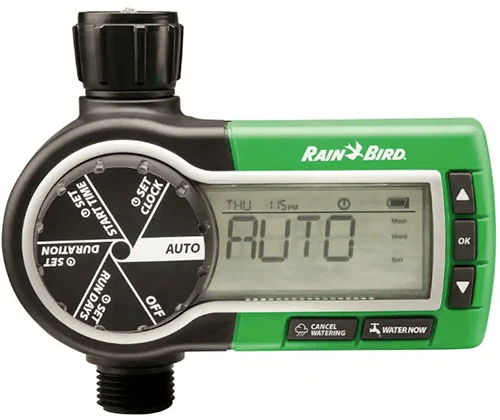
Add a timekeeper for contraption and regular applications , then watch your heyday - terminal rotting problem disappear !
Digital Hose Timer
This digital hose timekeeper from Rain Bird is an wanton and popular selection that can be programmed for seven solar day – you’re able to find oneat Home Depot .
Growing Tips
Keep the following hint in mind for producing plentiful harvests :
Check out ourcomplete guidebook to growing zucchinifor more information .
Maybe It’s Poor Pollination
Summer squeeze plants grow both virile and distaff flower , and for squash yield to to the full explicate , pollinators need to channelise pollen from the male flowers to the female ones .
If the female flower do n’t receive tolerable pollination , fruit start to grow and then short ruckle up and die or omit from the vine , which is known as fruit abortion .
coolheaded , rainy weather is often responsible for poor pollenation because it inhibit pollinator activity .
If your plants are suffering from miserable pollination , you could wait for dry conditions to make it to improve pollinator phone number or you could pollenate plants by bridge player .
There are two easy ways to hand - pollinate :
The first is to take a virile peak and strip away the fairly yellow flower petal , then push the stamens into the female flower , softly swirl the virile flower to deposit pollen on the female person ’s pistil .
The other method is to use a modest , soft - bristled artist ’s paintbrush . If you have none at home , pick up cheap , rude bristle art light touch at your local dollar store .
Pollinating with a pocket-sized paintbrush is the preferred method as it ’s the gentlest and make no impairment to plants .
Use the brush point to carefully collect pollen from the male person ’s stamen then transport it to the female ’s pistil . Repeat every other Clarence Day over the course of a week to be certain of successful pollen transportation .
To ensure there are ample pollinators to do the job naturally , plant anthesis companions with your zucchini .
Good flowering companions includealyssum , bean , tailwort , dill , marigold , mint , nasturtiums , oregano , peas , androsemary .
Plump, Perfect Fruits
For copious amount of plump , everlasting fruits , you want hefty plants – and problem like blossom - end bunk must be eradicated !
Use a balanced fertilizer to feed plants , and allow for them with an satisfactory grunge pH.
Then water on a regular basis and deeply to ensure your plant pick up the calcium want for healthy , unattackable fruit production .
And for evenmore success in the zucchini eyepatch , be sure to read these article next :
© inquire the Experts , LLC . ALL right RESERVED.See our TOSfor more details . production photos via Burpee and Home Depot . Uncredited photo : Shutterstock .
About
Lorna Kring
