Related
Summary
There is nothing quite like the sight of a flourishing garden bursting with rich colour and lush foliation . And if you ’re looking tospruce up your outdoor spacewith some beautiful blooms this class , it might be time to see mature hydrangeas in your cubic yard . hydrangea are oculus - catch and singular plants that produce twisty blossoms over an elongated period of fourth dimension and flourish in most climates .
Before jumping in feet first , however , it ’s essential to knowwhen the good sentence for planting hydrangeas is so you may successfully maximise bloom production over years of growth . Discover everything you take to hump about when and how to implant hydrangeas !
Best Time to Plant Hydrangeas
It ’s best to plant hydrangeas in either early leap or the first one-half of descent for optimal bloom production . By planting during these meter , you ensure your hydrangea have a hefty root scheme established before the blooming season begins .
Planting too late in the season ( summer ) means your hydrangea wo n’t have the metre to develop the root it need before the heat of summertime , hindering its ability to thrive . Aim to plant when the nighttime temperatures are 60 to 65 level Fahrenheit . In red-hot condition ( over 85 degrees Fahrenheit ) , your hydrangea are center on surviving , and not growing .
Overview of Hydrangeas and USDA Zones
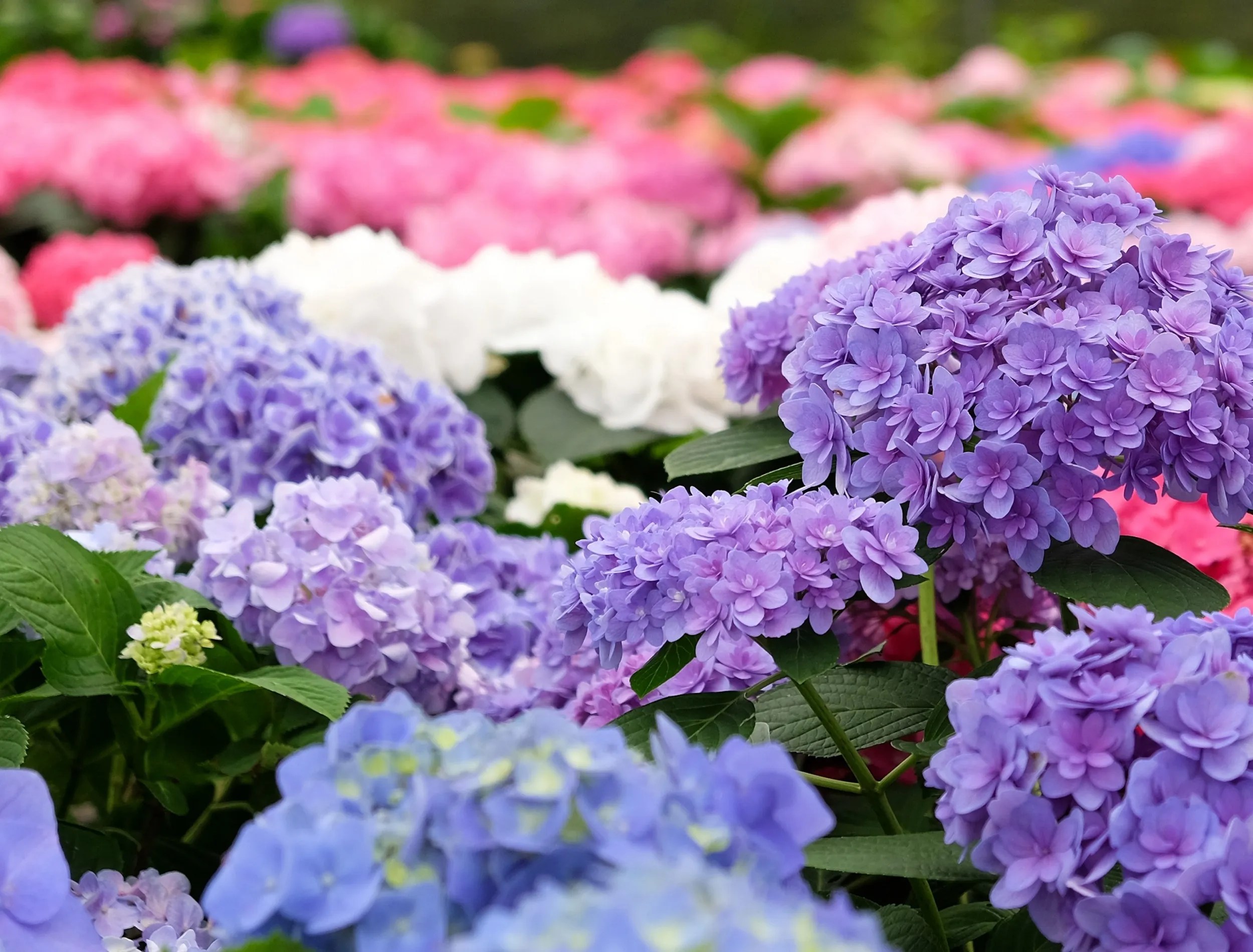
Hydrangeas are a democratic garden flora withmany varieties to choose from . Whether you ’re looking for aflowering shrub to adorn your grand , or wantcut blooms for a corsage , there is a hydrangea staring for every intention . Four of the most vulgar types are fluid hydrangea , Oakleaf hydrangea , Panicle hydrangeas , and Bigleaf hydrangeas — each of which have their own singular characteristics and color .
Smooth Hydrangeas
This sturdy shrub flourish in Zones 4 to 9 , making it ideal for those search for something that hold out both cold and hot temperature .
Smooth Hydrangeas grow to 2 to 5 feet tall , allowing them to fit utterly into a distance without taking over the entire area . Theybloom on new Sir Henry Wood , from July through September . They have vibrant magenta pink heyday and are great for attracting pollinators such as butterflies or bees . This hardy slight bush is aboriginal to Eastern North America .
Oakleaf Hydrangeas
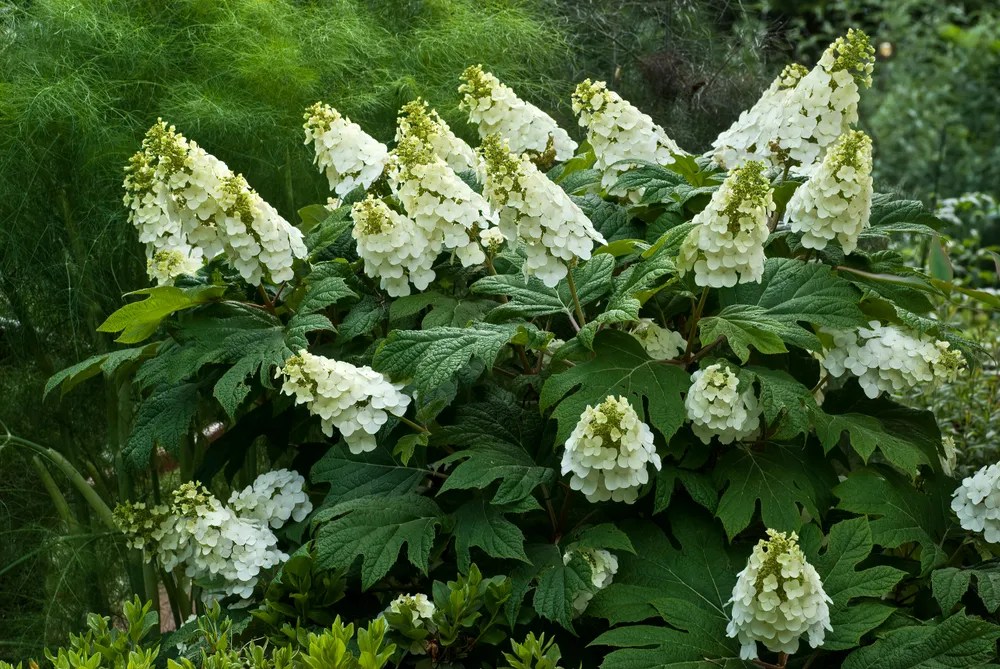
Oakleaf hydrangeasare native to the southeastern United States and have orotund clusters of white peak that blossom on erstwhile wood and fade to pink in the bounce .
These hydrangeas thrive in zones 5 to 9 , maturate up to 4 to 6 feet grandiloquent . Their bloom of youth sentence is April through July , allow for several months of stunning coloring material for your garden .
Panicle Hydrangeas
These deciduous bush blossom on new Grant Wood and are aboriginal to China and Japan . They raise in USDA Zones 3 to 8 and hit heights of 8 to 15 base tall when to the full mature . Between July and September , they get scrumptious white clustering of bloom that are sure to catch the center of passersby and visitant .
Bigleaf Hydrangeas
Native to China , Japan , Central and South America , and Mexico , these shrubs love warm climatesand prefer zones 6 to 9 . They typically grow on old Sir Henry Wood and reach heights of between 3 and 6 metrical unit with all-embracing blue or pink flower , from July through August .
Tips for Planting Your Hydrangeas
When it comes toplanting your hydrangeas , you want to ensure the conditions arejust right for them to expand . With some basic bakshis , you may get the most out of your young plants .
When to Plant
ante up tight tending to the timing of when you ’re planting . Early forenoon or late afternoon is ideal because you safeguard the plants from heat stress . The same go for nebulose days . They provide less direct sun which is gentler on the plant life .
Choose Wisely
Choose your varieties consort to your USDA zone . For example , Bigleaf hydrangeas can not tolerate cold temperatures below 10 degrees Fahrenheit and may sustain hurt if exposed to too much moth-eaten .
pH Matters
Once you ’ve selected the right form for your area , you should also consider the pH of the ground . hydrangea favour acidulent soil so try out it with at nursing home pH test or bring a sample distribution to the nearest garden center .
The pH of your land may alsodetermine the colorsof your Bigleaf and Smooth hydrangeas . If your grime has a pH of 4.5 , then look low blooms , 6.8 for garden pink , and 7.0 for red . You canamend the grunge with vinegar , coffee cause , or aluminum sulfate to rick your blooms blue or tot lime orbaking sodato increase the pH to sour the flowers red or pink .
Planting
When planting your hydrangea , rule a gay or partially sunny speckle and dig a hole double as blanket and twice as deep as the source testis . Fill it with organic matter and place the hydrangea in the hole , then backfill with soil .
urine deeply with 1 to 2 gallons of pee to settle the soil around the industrial plant and add together remaining compost or mulch to retain wet .
Green Thumbs, Get Ready
Experiencing the beauty of hydrangea in your own garden is an unbelievable feeling — and once you get the timing right , you ’ll find with a bit of love life and tutelage , they can turn yourbackyard into a witching position .
Afterexperiencing how stunning these flowers lookwhen they bloom , you may just desire to share this information with your family and friends so you’re able to all enjoy get vibrant , colorful hydrangeas . Have fun !